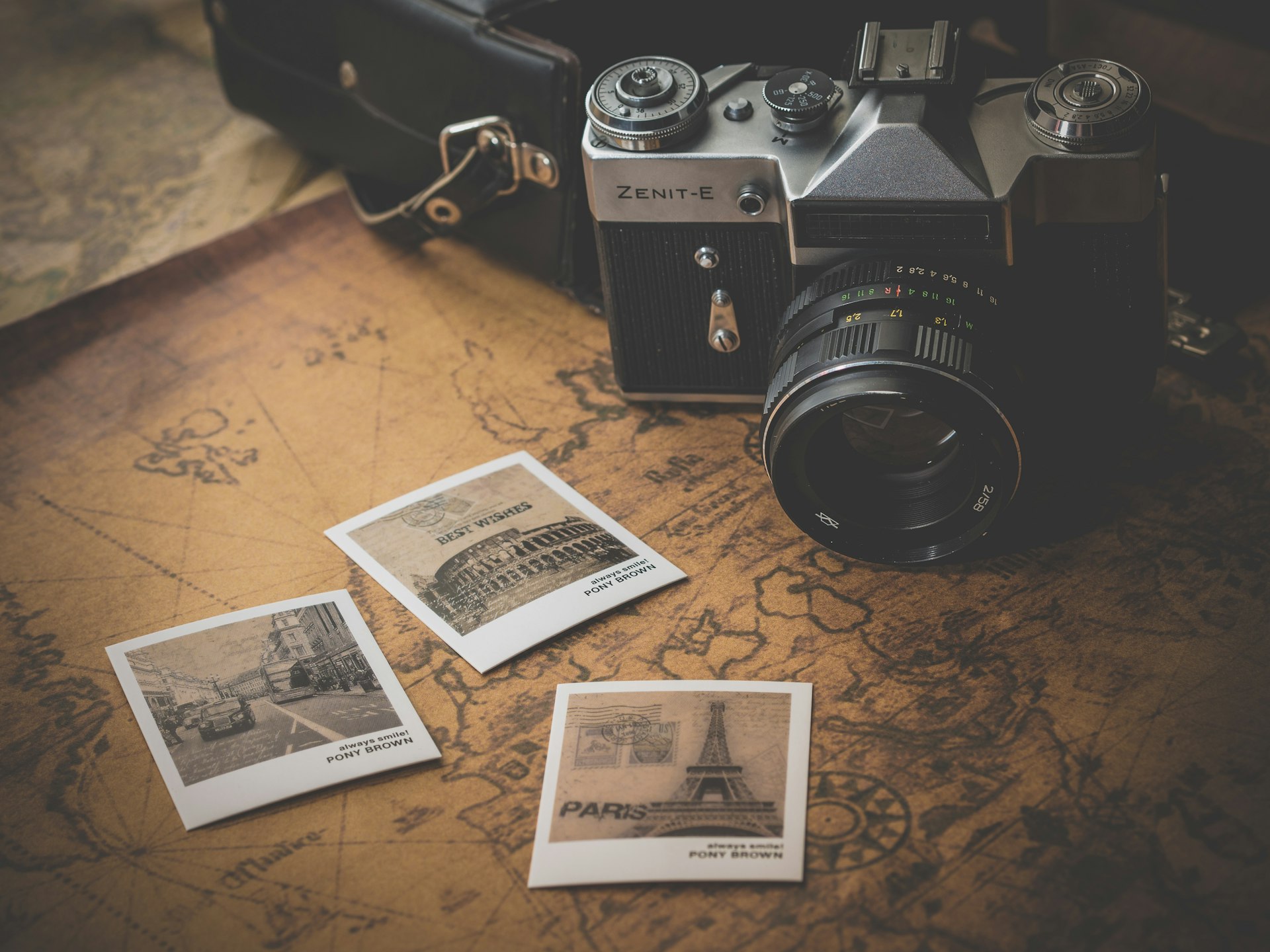
Photography is often about waiting. Waiting for the right light, the perfect expression, the moment when everything aligns. But it's in these spaces between the obvious moments that true magic lives.
The In-Between
When I first started in wedding photography, I was obsessed with the big moments. The kiss. The first dance. The cake cutting. These are important, yes — but they're predictable. Everyone expects them.
What I've learned over the years is that the real story unfolds in the margins. In the father's tear as he watches his daughter get ready. In the way a couple's hands find each other during the ceremony. In the grandmother's smile as she watches young love bloom.
These are the photographs that clients treasure most. Not because they're technically perfect, but because they're emotionally true. They capture what the day actually felt like, not just what it looked like.
Patience as a Practice
True luxury photography isn't about clicking the shutter a thousand times and hoping for the best. It's about patience. It's about observing. It's about understanding the rhythm of a moment and knowing exactly when to capture it.
I often tell my clients: "Forget I'm here." Because when people stop performing for the camera, that's when they become most themselves. That's when the magic happens.
During a wedding, I might stand in the same spot for ten minutes, just watching. Observing how the light changes. How emotions ebb and flow. How a story naturally unfolds when you give it space to breathe.
The Golden Hour of Emotions
Just as photographers chase the golden hour for perfect light, I chase the golden hour of emotions — those fleeting seconds when someone's guard is completely down, when joy or love or tenderness radiates from them without filter.
These moments can't be posed. They can't be recreated. They can only be witnessed and preserved. And that's what makes them so valuable.
I've photographed hundreds of weddings, and I can tell you: the magic is never in the choreographed moment. It's in the split second before. It's in the breath after. It's in the glance that happens when they think no one is looking.
The Technical Side of Waiting
Of course, waiting requires skill. You need to understand your camera so well that adjusting settings becomes muscle memory. You need to anticipate movement, predict emotions, and be ready to capture a moment that might last only a fraction of a second.
But the technical aspect serves the artistic vision. The camera is just a tool. The real work happens in the observation, the patience, the presence.
Conclusion
So yes, I wait. I observe. I breathe with my subjects. And when that perfect moment arrives — the one that tells the whole story in a single frame — I'm ready.
Because the art of waiting isn't passive. It's the most active, present thing a photographer can do. It's the difference between taking a picture and capturing a moment. Between documentation and art. Between good and extraordinary.
And in the end, that's what luxury photography is all about: being present enough to recognize magic when it happens, and skilled enough to preserve it forever.